A Practical Guide to Landscaping and Drainage Planning in Nolensville, TN
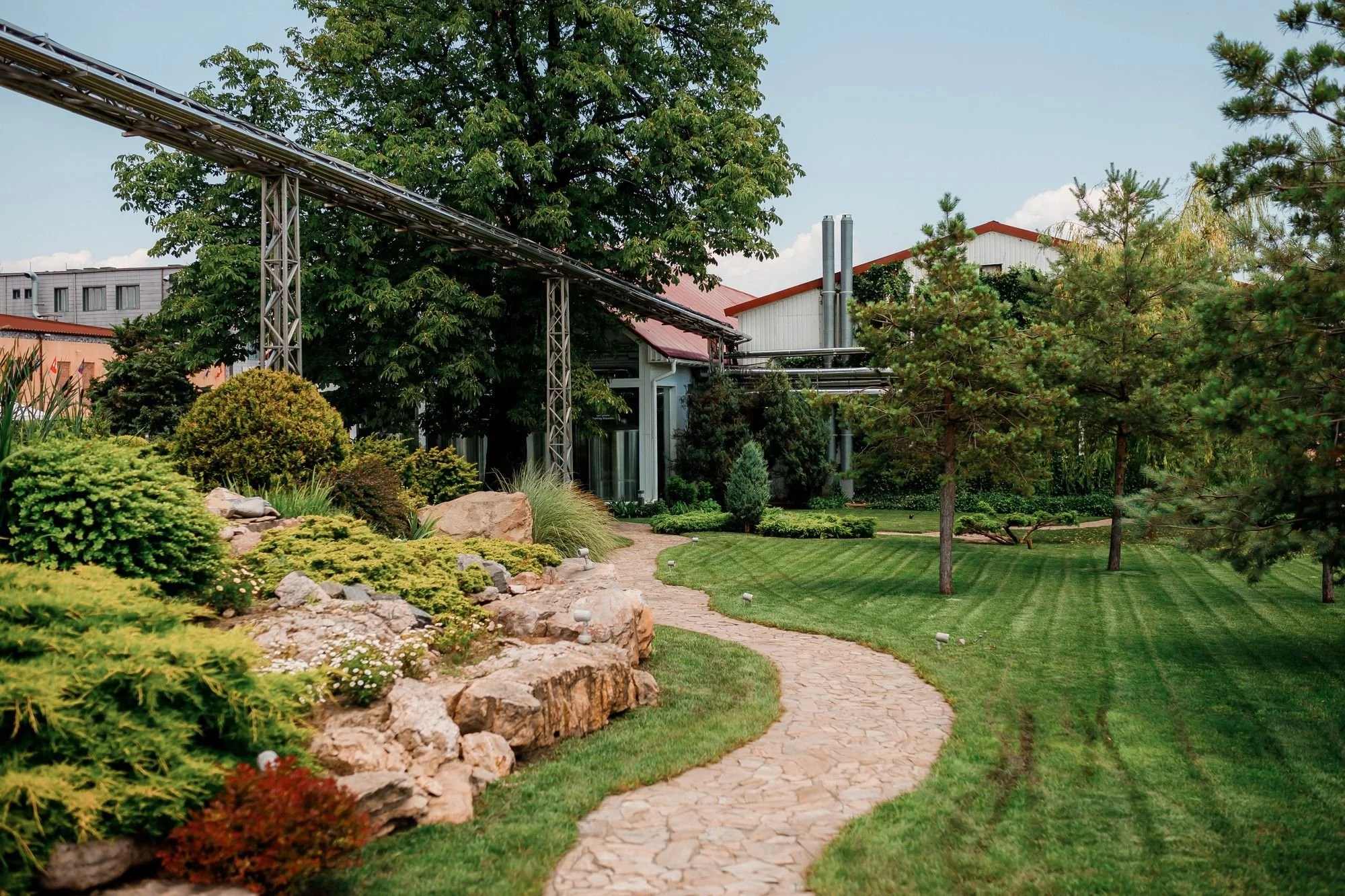
When we plan landscaping and drainage in Nolensville, TN, we focus on how the land moves water, how structural elements change that movement, and how plantings respond to those changes. A healthy landscape depends on intentional grading, responsible water direction, and thoughtful selections that stand up to our area’s soil conditions and seasonal storms. As landscape designers, we guide each step so your front or backyard supports long-term stability and reliable performance without unnecessary complexity.
Related: Dealing With Erosion? How Drainage and Retaining Walls Help in Brentwood, TN & College Grove
How Landscaping and Drainage Work Together
Landscaping and drainage influence each other from the moment we shape the ground. When we adjust grades, build retaining walls, design patios with pavers or natural stone, or install plantings, every choice changes how water flows. Our landscape designer considers each element as part of one system. Drainage works best when we manage slopes, guide runoff into planned routes, and ensure water does not linger around structural features.
We use landscaping and drainage strategies that respond to our area’s clay soils. These soils often hold water longer than expected, so precise grading and dependable drainage routes prevent long-term issues. We avoid relying on guesswork; instead, we analyze how the existing ground behaves during heavy rainfall and then design a landscape that supports effective drainage from day one.
Practical Strategies for Effective Water Flow
A reliable system for landscaping and drainage starts with grading. We adjust elevation so water moves away from structures without creating pooling in other areas. A landscape designer evaluates the natural lay of the land and reshapes it to work with your planned features. When we design walkways, patios made with pavers or natural stone, or foundation plantings, we tie all elevations together so water moves in a predictable direction.
Permeable pavers also support good landscaping and drainage. They allow water to filter through the surface rather than run across it, giving the soil more time to absorb moisture. When we combine permeable materials with accurate grading, we create a landscape that handles frequent storms without stressing surrounding areas.
Plantings also play a major role. We install plantings chosen for Zone 7a, which gives us a strong palette of shrubs, evergreens, and perennials with blooms that tolerate moisture without struggling. These plantings help stabilize soil and manage water with their root systems. We avoid relying solely on plantings for drainage, but they strengthen the overall system when used correctly.
Integrating Landscaping and Drainage Into Outdoor Living Spaces
When clients add patios, retaining walls, or natural stone steps, we integrate landscaping and drainage from the earliest planning stage. Hard surface features require precise grading, tight transitions, and careful water direction. Water should never move toward a patio or outdoor kitchen; instead, we design subtle slopes so runoff leaves the area without disrupting the space.
Walkways also influence how water behaves. We build them so they avoid blocking natural drainage routes. Permeable pavers, well-planned slopes, and thoughtful placement allow walkways to support landscaping and drainage rather than interrupt it. A landscape designer coordinates these features so the layout flows naturally with the rest of the landscape.
For outdoor lighting installation, we consider drainage as part of the layout. Fixtures must remain clear of pooling water, and wiring should stay protected. When we integrate lighting into a broader landscaping and drainage plan, the full space works as a cohesive system.
Related: How Expert Landscaping and Landscape Design Can Solve Drainage Issues in Brentwood and Franklin, TN
When Structural Elements Shape Water Movement
Structural elements such as retaining walls offer both function and aesthetic appeal, but they can only perform well when designed with careful consideration of landscaping and drainage. We construct retaining walls to redirect water, slow runoff, and hold soil in place. Behind each wall, we use drainage systems that keep pressure from building and ensure water moves where it should. Without this planning, runoff may collect, causing erosion or stress on the structure.
Inground pool projects also require a detailed plan for landscaping and drainage. We ensure water flows away from the inground pool area, pairing grading changes with plantings, patios, and walkways that support predictable flow. Every element ties together so the landscape stays balanced.
How We Plan for Long-Term Performance
Landscaping and drainage design require us to think several steps ahead. We evaluate how weather patterns, soil absorption, and seasonal changes influence runoff throughout the year. We design the full landscape—plantings, structural elements, lighting installation, driveway construction, outdoor kitchen layouts, and walkways—so each part supports healthy water movement.
We review existing slopes, soil types, and the long-term impact of large features. When we add natural stone, pavers, or retaining walls, we confirm they interact properly with the overall landscaping and drainage plan. By keeping the system unified, we create outdoor spaces that respond predictably to each storm.
Preparing Plantings for Drainage Conditions
Plantings help reinforce good landscaping and drainage when chosen intentionally. Our team installs shrubs and perennials with blooms that tolerate moisture and thrive in our area’s hardiness zone. We avoid species that struggle in wet soil or become unstable during long rainy periods. Strong root systems hold soil in place and reduce erosion, especially near slopes or structural elements.
When we design planting beds, we ensure they do not block drainage pathways. Proper spacing, appropriate plantings, and careful shaping of the surrounding land help these beds enhance the landscaping and drainage system instead of interfering with it.
Related: For an Effective Irrigation System, Ensure You Have Proper Drainage in the Spring Hill, TN, Area
About the Author
In 1990, at just 14 years old, Jayme Niedergeses took the first step in starting his own company when he started mowing lawns around his hometown. From that one-man lawn-mowing operation grew a reliable, full-service landscaping company that serves the entire Middle Tennessee Area. Niedergeses landscapers are fully licensed, insured, highly trained, and extensively experienced. Every full-time and seasonal member of our crew is dedicated to providing excellent customer service as they create and care for beautiful landscapes.